Santa Barbara highlight
Strong arts, wine,
Santa Barbara hosts a dense cluster of galleries, museums, theaters and wine tasting rooms, supported by institutions like the University of California and Mission Santa Barbara that anchor the cultural economy.
Mission Santa Barbara, founded by Franciscan friars on December 4, 1786, still operates today as both a parish church and a museum, drawing visitors to explore the Spanish Colonial architecture and historical exhibits. The University of California, Santa Barbara, ranked among the nation's top public universities, sits on a bluff overlooking the coast with roughly 25,000 students and a major research enterprise. These two institutions, along with the city's museums, galleries and performance spaces concentrated downtown and in neighborhoods like the Funk Zone, create a cultural infrastructure rare for a small city.
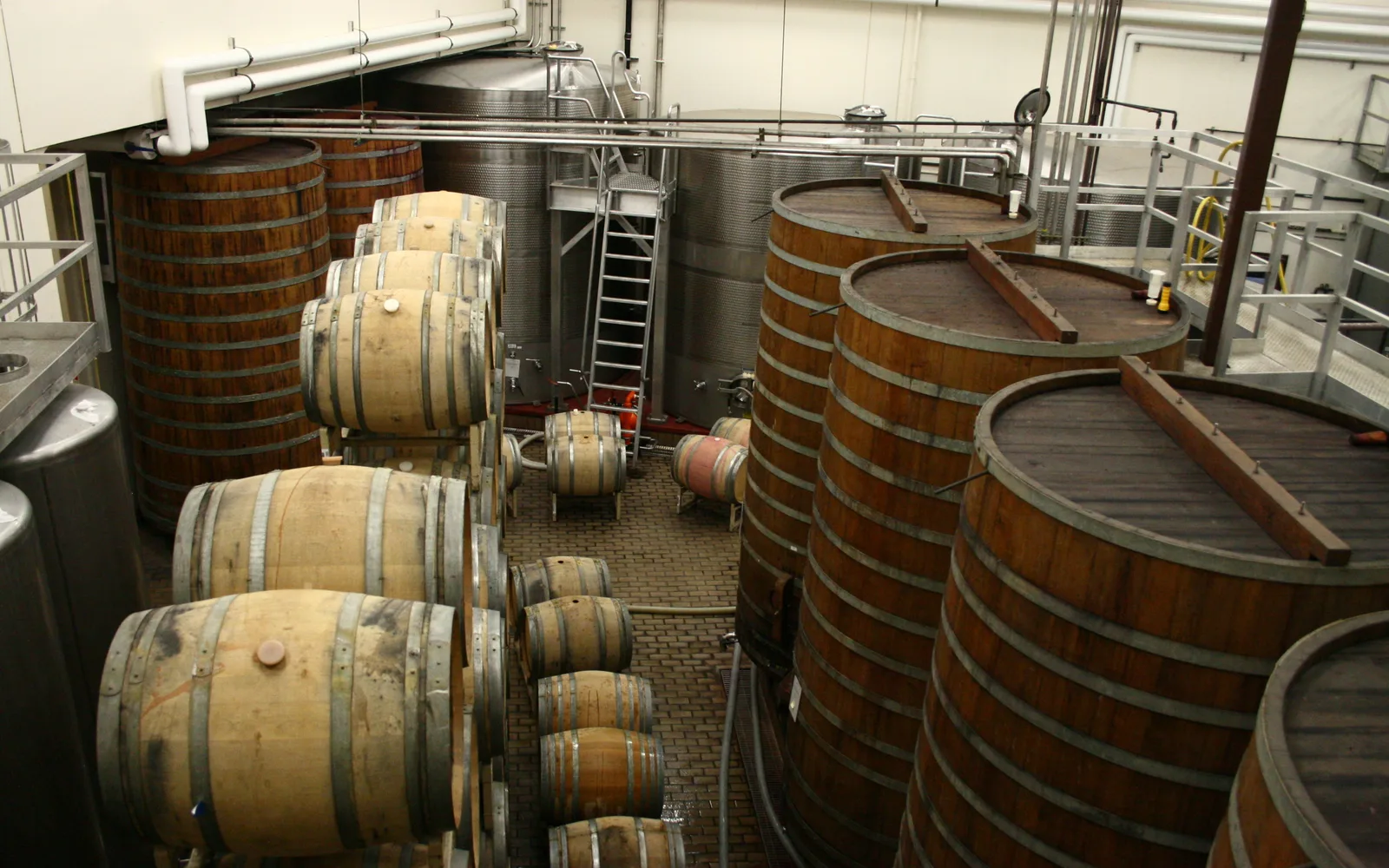
The wine region surrounding Santa Barbara—celebrated for Pinot Noir, Chardonnay and Syrah—draws tourists to tasting rooms and vineyards in the hills. Downtown galleries show contemporary and regional work, the Santa Barbara Theater hosts touring productions, and the season includes film festivals and art markets. This density of cultural institutions and activities shapes both the daytime economy and weekend life for residents.
A household in Santa Barbara often includes income from professional work, education or the cultural economy itself. Insuring that income for the years ahead—while children finish school, a business reaches maturity, or a career path unfolds—is what term coverage provides, at a cost built for your age and health, not guessed at.